
A trigger lock is a firearm safety device designed to prevent a gun from being fired by physically blocking access to the trigger. It is commonly used for safe storage, childproofing, and compliance with firearm safety regulations.
Physical Description
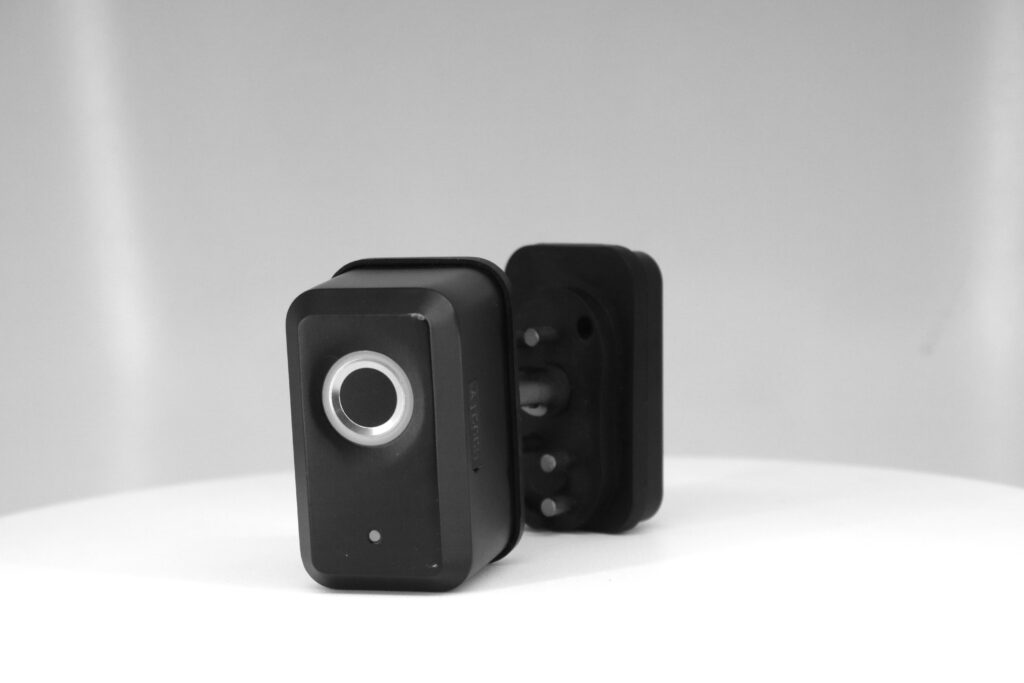
A trigger lock is typically a small, compact mechanical device made from hardened steel, zinc alloy, or reinforced polymer. It usually consists of two clamshell-style halves that fit around the trigger guard of a firearm. When locked together, these halves enclose the trigger so it cannot be pulled.
Most trigger locks are palm-sized and lightweight, making them easy to store or transport. The exterior often has a rubberized or padded lining on the inside surfaces to prevent scratching or damaging the firearm’s finish.
Locking Mechanism
Trigger locks use one of two primary locking systems:
Keyed lock: Operated with a small physical key, similar to a padlock. This is the most common type.
Combination lock: Uses a numeric dial or push-button code, eliminating the need for a key.
Once engaged, the locking mechanism holds the two halves firmly together, preventing separation without the correct key or combination.
Function and Purpose
The core function of a trigger lock is to immobilize the trigger, making it impossible to fire the weapon even if it is loaded. Because the trigger cannot be depressed, the firearm cannot discharge.
Trigger locks are intended as a supplemental safety measure, not a replacement for proper firearm storage practices such as gun safes or lockboxes. They are especially useful for:
Preventing unauthorized access
Reducing the risk of accidental discharge
Enhancing safety in homes with children
Temporary locking during transport or storage
Compatibility
Trigger locks are designed to be universal or semi-universal, fitting a wide range of firearms including pistols, revolvers, rifles, and shotguns. However, fit can vary depending on trigger guard size and shape, and some firearms (such as those with very small or unconventional trigger guards) may not be compatible.
Visual Appearance
In appearance, trigger locks often resemble a compact padlock molded to fit a trigger guard. Common colors include black, gray, red, or bright safety colors that clearly indicate the firearm is locked and inoperable.
Safety Considerations
While trigger locks effectively block the trigger, they do not prevent the firearm from being loaded or unloaded, nor do they secure the firearm from being moved or stolen. For this reason, they are best used alongside other safety and storage measures.
In summary, a trigger lock is a simple, durable, and visible safety device whose primary role is to prevent a firearm from being fired by restricting access to the trigger, thereby promoting responsible and secure firearm ownership.
While trigger locks provide an important layer of protection, they are intended as a supplementary safety measure, not a complete security solution. They do not prevent a firearm from being loaded or unloaded, nor do they stop theft or unauthorized movement of the firearm. For maximum safety, trigger locks should be used alongside proper storage solutions such as locked gun safes or lockboxes.
A visible trigger lock also serves as a clear safety indicator, signaling that the firearm is secured and not immediately usable. This can reduce panic, confusion, or misuse in shared spaces
A trigger lock promotes responsible firearm ownership by helping to prevent accidental discharge and unauthorized use, contributing to safer storage and handling practices when combined with other firearm safety measures.
Trigger locks also contribute to unauthorized access prevention. By requiring a key or combination to remove the lock, the device restricts use of the firearm to authorized individuals only. This helps reduce the risk of misuse by guests, minors, or anyone who should not have access to the firearm.