
When upgrading your rifle, choosing the correct muzzle device is a critical decision. Many shooters comparing flash hider vs muzzle brake do not fully understand how different these devices are.
Choosing the wrong one can lead to poor recoil control, excessive noise, or reduced visibility in low light.
This ultimate guide explains the difference between flash hider and muzzle brake, how they work, and which muzzle device is best for your shooting needs in Pakistan.
What Is a Flash Hider?
A flash hider is a muzzle device designed to reduce the visible flash produced when a rifle is fired. The burning gases exiting the barrel create a bright flash, especially in low-light conditions.
A flash hider works by dispersing these gases to minimize visible signature.
Benefits of a Flash Hider:
- Reduces muzzle flash
- Preserves night vision
- Improves low-light shooting performance
- Reduces visible firing signature
- Maintains forward blast direction
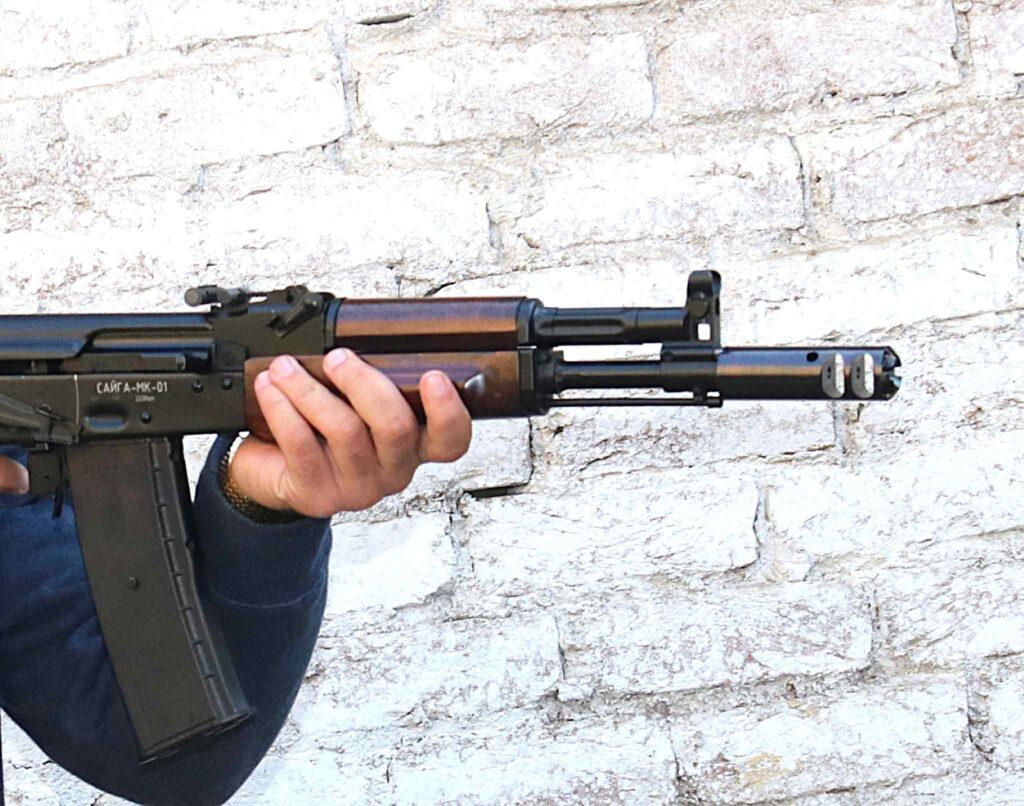
A durable example is the Saiga .223 Flash Hider, designed for reliable flash suppression and long-term performance.
Flash hiders are commonly used in tactical shooting and low-light environments.
flash Hider vs Muzzle Brake – Key Differences Explained
Understanding the difference between flash hider and muzzle brake helps prevent costly mistakes.
| Feature | Flash Hider | Muzzle Brake |
|---|---|---|
| Primary Purpose | Flash Suppression | Recoil Reduction |
| Recoil Control | Minimal | Significant |
| Low-Light Advantage | Excellent | Limited |
| Noise Level | Standard | Increased |
| Side Blast | Minimal | High |
| Best For | Tactical / Night Shooting | Range & Rapid Fire |
When comparing flash hider vs muzzle brake, the choice depends entirely on your shooting goals.
Installation and Compatibility Considerations
Before installing a muzzle device:
- Confirm thread size
- Ensure proper alignment
- Use correct tools
- Consider professional installation if unsure
Improper alignment can affect accuracy and safety.