

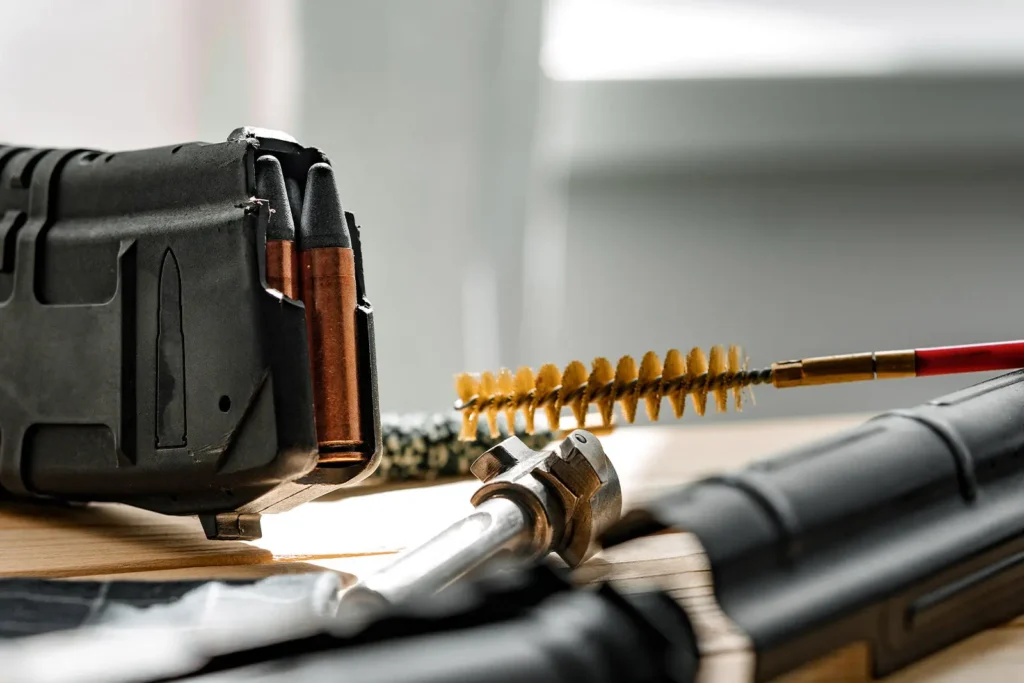
Simple Steps to Inspect a Firearm for Safety and Reliability
Regular firearm inspection is an essential part of responsible gun ownership. Firearms are precision tools that must be maintained and checked frequently to ensure they function safely and reliably.
Learning how to inspect firearm safety properly helps prevent accidents, identify potential mechanical issues, and maintain firearm performance. Even well-maintained firearms should be inspected before use to ensure everything is functioning correctly.
This guide explains simple steps firearm owners can follow to inspect their firearms safely and effectively.
Why Firearm Inspection Is Important
Routine firearm inspection helps identify problems before they become serious safety risks.
Proper inspection helps:
- detect worn or damaged parts
- ensure safe operation
- prevent mechanical failures
- maintain firearm reliability
Regular checks allow firearm owners to address small issues before they lead to bigger problems.
Always Start With Safety
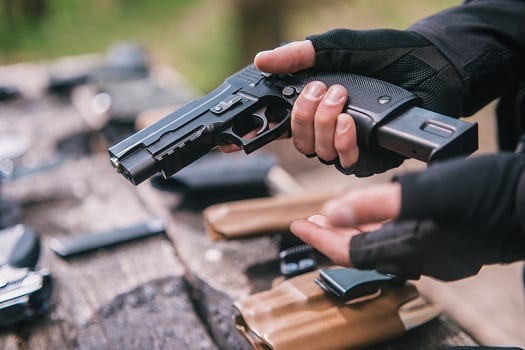
Before inspecting any firearm, safety must be the first priority.
Follow these steps:
- point the firearm in a safe direction
- remove the magazine if present
- open the action
- check the chamber to ensure the firearm is unloaded
Confirming that the firearm is unloaded is the most important step in inspect firearm safety procedures.
Check the Exterior Condition
The first visual inspection should focus on the external condition of the firearm.
Look for:
- visible rust or corrosion
- scratches or dents
- loose screws or mounts
External damage may indicate improper storage or rough handling.
Keeping the exterior clean and protected helps maintain firearm durability.
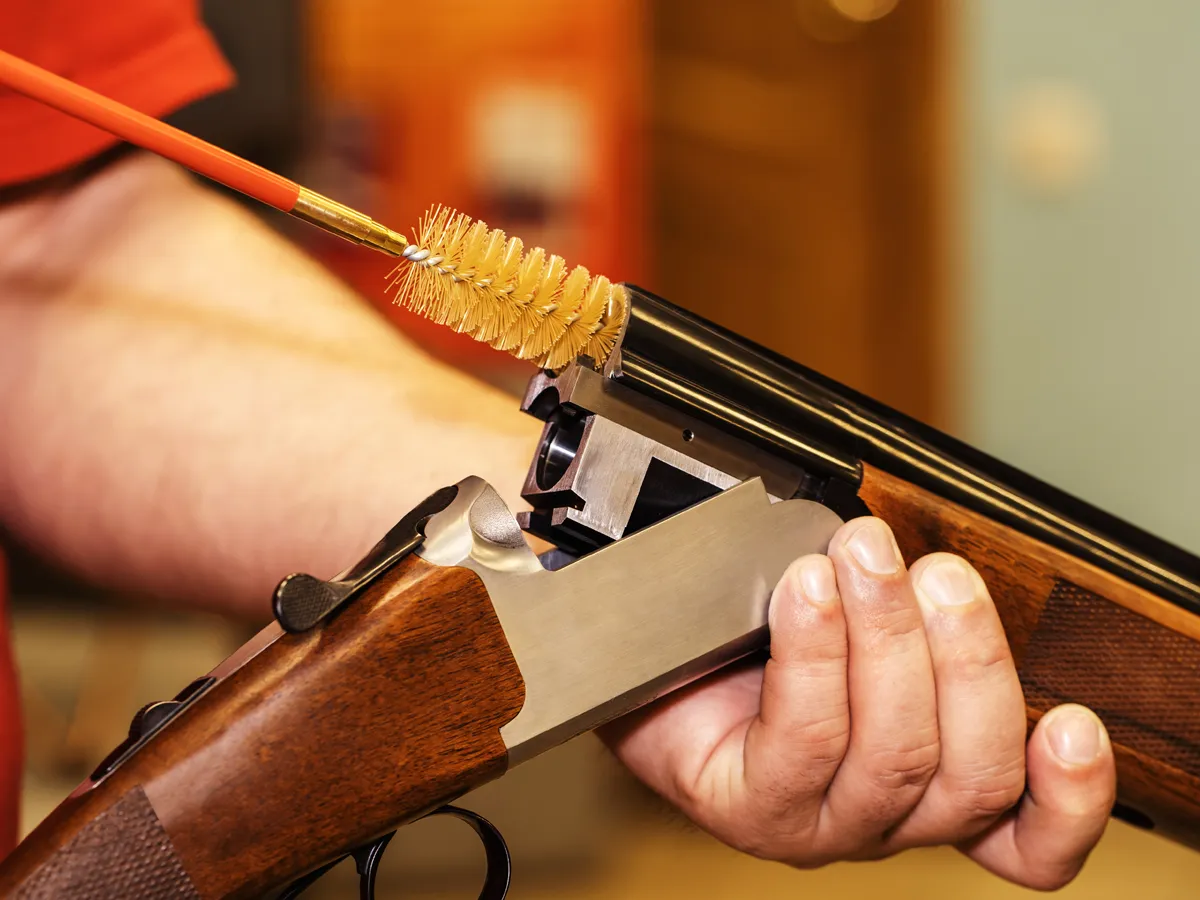
Inspect the Barrel
The barrel is one of the most critical components of a firearm.
To inspect the barrel:
- ensure the firearm is unloaded
- look through the barrel with proper lighting
- check for obstructions or debris
A clean and unobstructed barrel ensures safe shooting performance.
Check Moving Parts
Moving components should operate smoothly without resistance.
Inspect parts such as:
- the bolt or slide
- the trigger mechanism
- the safety system
These components should move smoothly and function correctly. Any unusual resistance or looseness may require professional inspection.
Test the Safety Mechanism
The safety mechanism is designed to prevent accidental discharge. It should always be checked during firearm inspection.
To test the safety:
- engage the safety
- verify the trigger cannot be pulled
- disengage the safety and confirm proper operation
This step is an important part of inspect firearm safety procedures.
Look for Signs of Wear
Over time, firearm components may experience natural wear. During inspection, check for:
- worn springs
- loose parts
- damaged components
Identifying wear early helps prevent mechanical failures and ensures safe operation.
Store Firearms Safely After Inspection
After completing the inspection, firearms should be stored safely and securely.
Using a secure safe such as the GS-102 Gun Safe helps protect firearms from unauthorized access and environmental damage.
Proper storage ensures firearms remain safe when not in use.
Tips for Regular Firearm Inspection
To maintain firearm safety and reliability:
- inspect firearms regularly
- clean firearms after shooting sessions
- store firearms in secure locations
- address problems immediately
These practices help maintain proper inspect firearm safety routines.
Frequently Asked Questions
How often should firearms be inspected?
Firearms should be inspected regularly, especially before and after shooting sessions.
Why is checking the barrel important?
The barrel must remain clear of obstructions to ensure safe and accurate shooting.
What should I do if I notice damage?
If damage or mechanical problems are found, the firearm should be inspected by a qualified professional.
Does regular inspection improve firearm safety?
Yes. Routine inspection helps detect issues early and ensures the firearm operates safely.
Conclusion
Learning how to inspect firearm safety properly is an essential responsibility for firearm owners. Regular inspection helps detect problems early, maintain reliability, and ensure safe firearm operation.
By following simple inspection steps and storing firearms securely, gun owners can maintain safe and responsible firearm practices for many years.