

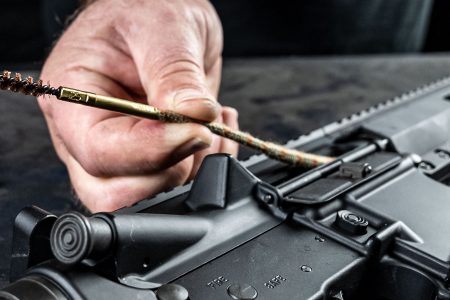
How to Clean a Rifle Properly – Complete Guide for Beginners
Proper firearm maintenance is essential for safety, reliability, and long-term performance. Knowing how to clean a rifle helps ensure that your firearm operates smoothly and remains accurate over time.
Rifles accumulate dirt, carbon residue, and debris after regular use. Without proper cleaning, these deposits can reduce performance and even damage the firearm.
This guide explains how to clean a rifle step by step so you can maintain your firearm safely and effectively.
Why Cleaning Your Rifle Is Important
Regular cleaning helps prevent problems such as corrosion, malfunctions, and accuracy issues.
Benefits of proper rifle maintenance include:
✔ improved shooting accuracy
✔ longer firearm lifespan
✔ reliable performance
✔ prevention of rust and corrosion
Learning how to clean a rifle is one of the most important skills for responsible firearm ownership.
Essential Tools for Cleaning a Rifle
Before starting the cleaning process, make sure you have the proper tools.
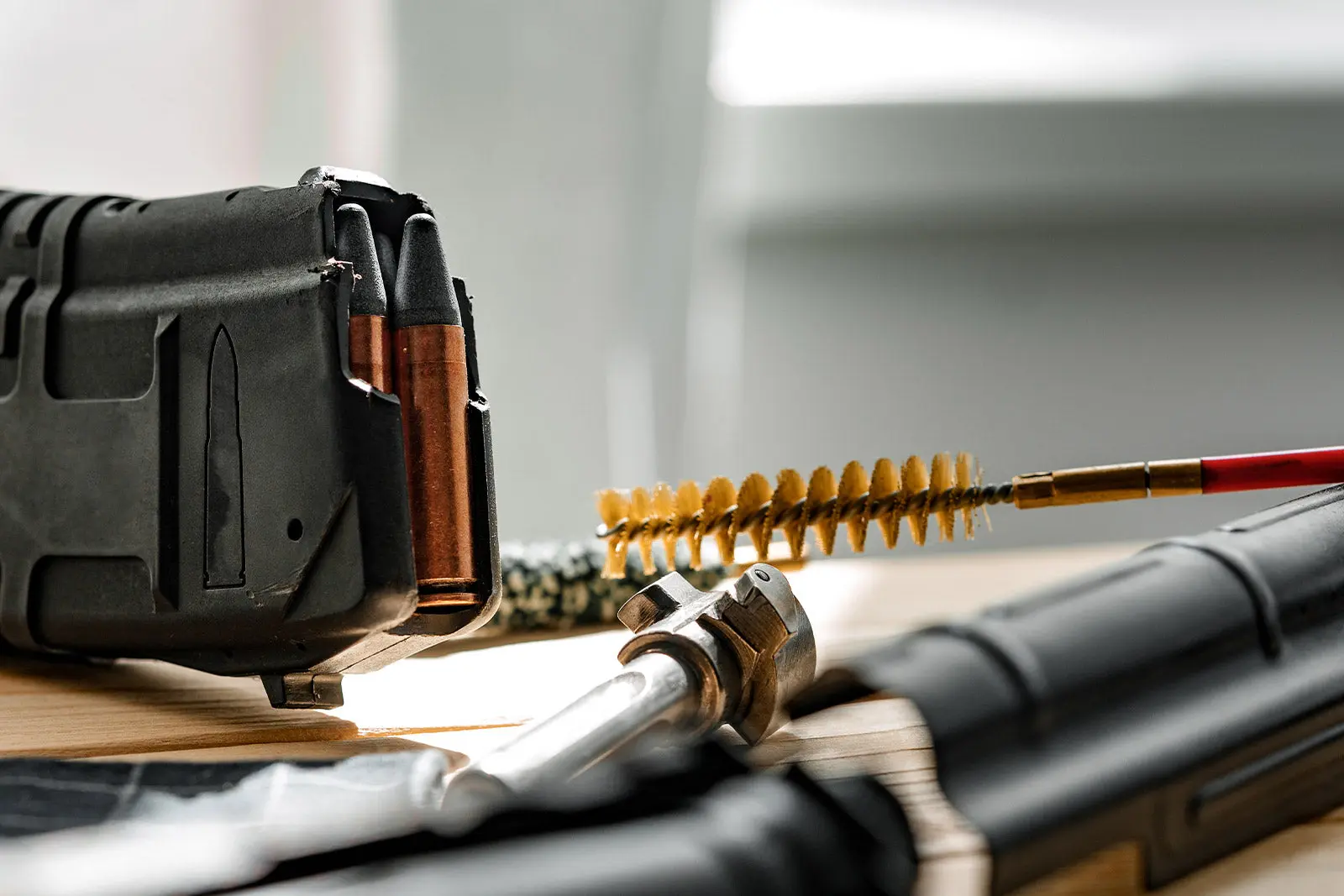
Common rifle cleaning tools include:
• cleaning rod
• bore brush
• cleaning patches
• gun cleaning solvent
• lubricating oil
• microfiber cloth
Using the right tools ensures a more effective cleaning process.
Step-by-Step Guide: How to Clean a Rifle
Follow these steps carefully to clean your rifle properly.
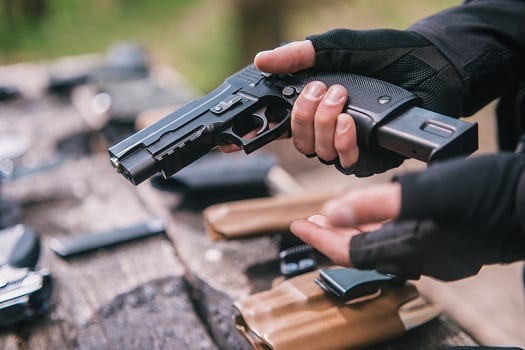
Step 1: Ensure the Rifle Is Unloaded
Safety should always come first.
Before cleaning your firearm:
• remove the magazine
• check the chamber
• confirm that the rifle is completely unloaded
Never clean a loaded firearm.
Step 2: Disassemble the Rifle
Most rifles require partial disassembly for proper cleaning.
Follow the manufacturer’s instructions to separate components such as:
• bolt carrier group
• upper and lower receiver
• barrel access points
Proper disassembly allows easier access to internal parts.
Step 3: Clean the Barrel
The barrel is one of the most important parts to clean.
To clean the barrel:
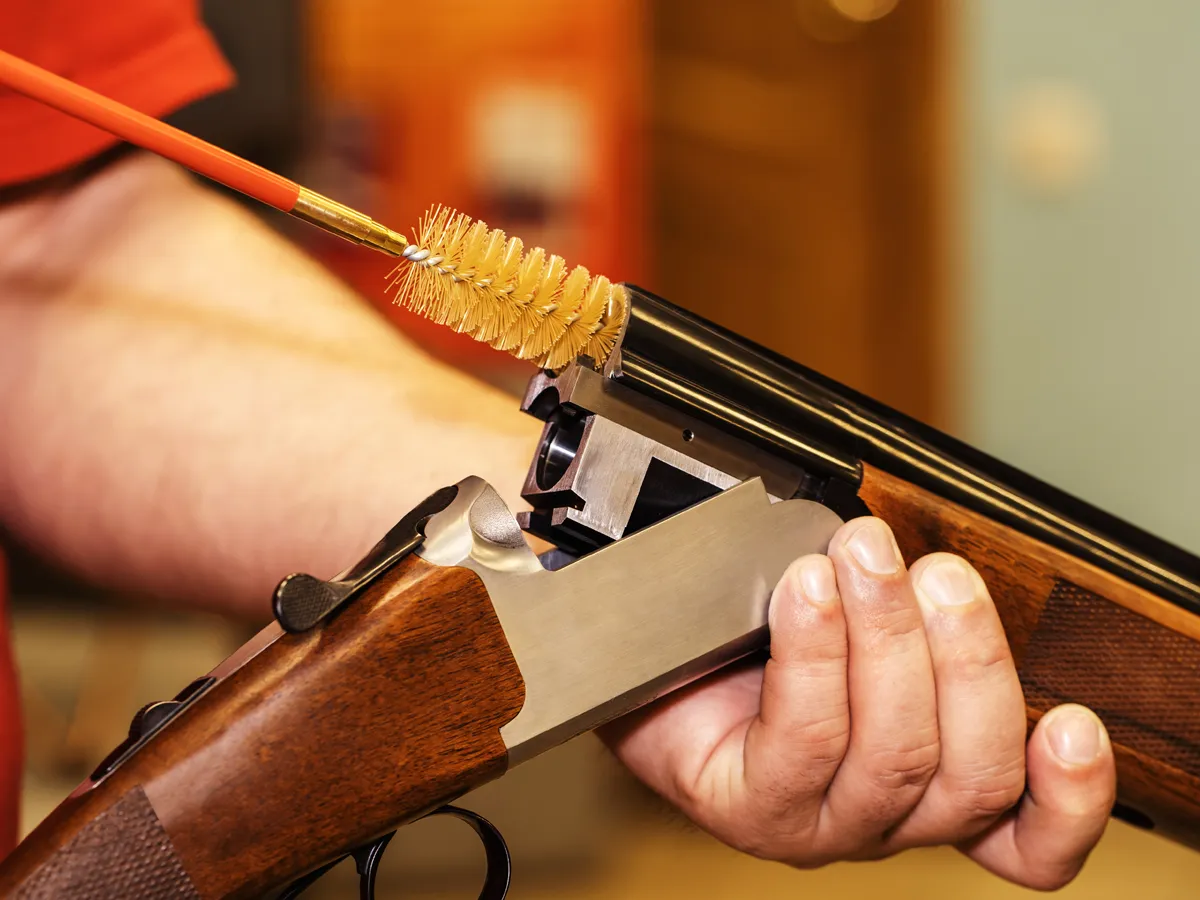
- Apply cleaning solvent to the bore brush
- Insert the brush through the barrel using a cleaning rod
- Run the brush through several times to remove carbon buildup
- Use cleaning patches to remove remaining solvent and debris
This process helps maintain barrel accuracy and performance.
Step 4: Clean the Bolt and Internal Parts
Carbon residue often builds up on the bolt and other internal components.
Use:
• a cleaning brush
• solvent
• a cloth
Carefully remove dirt, carbon deposits, and debris from these parts.
Step 5: Apply Lubrication
After cleaning the rifle, apply a small amount of gun oil to key moving parts.
Lubrication helps:
✔ reduce friction
✔ prevent rust
✔ ensure smooth operation
Avoid applying excessive oil because it can attract dust and dirt.
Step 6: Reassemble the Rifle
Once all components are clean and lightly lubricated, carefully reassemble the rifle.
Ensure all parts are secured correctly and functioning properly.
How Often Should You Clean Your Rifle?
Cleaning frequency depends on how often the rifle is used.
General guidelines include:
• after every shooting session
• after exposure to moisture or dirt
• during regular firearm maintenance checks
Regular cleaning helps maintain performance and safety.
Common Rifle Cleaning Mistakes
Many firearm owners make mistakes when cleaning their rifles.
Avoid these common errors:
❌ using excessive oil
❌ skipping barrel cleaning
❌ using incorrect tools
❌ failing to check if the rifle is unloaded
Understanding how to clean a rifle properly helps prevent these problems.
Tips for Proper Rifle Maintenance
In addition to cleaning, proper storage is also important.
Always store firearms securely in a locked safe such as the GS-102 Gun Safe to prevent unauthorized access and protect your firearm.
Other maintenance tips include:
✔ storing rifles in a dry environment
✔ inspecting parts regularly
✔ using high-quality cleaning supplies
These practices keep your firearm in excellent condition.
FAQ
How often should a rifle be cleaned?
Most rifles should be cleaned after every shooting session or whenever they are exposed to dirt or moisture.
What is the best solvent for cleaning a rifle?
High-quality gun cleaning solvents designed for firearm maintenance are recommended.
Can excessive oil damage a rifle?
Yes. Too much oil can attract dirt and carbon buildup, which may affect performance.
Is rifle cleaning necessary if the rifle was not fired?
Even unfired rifles should occasionally be cleaned to remove dust and prevent corrosion.
Conclusion
Knowing how to clean a rifle is essential for maintaining firearm safety, reliability, and performance. Regular cleaning prevents carbon buildup, protects internal components, and ensures accurate shooting.
By following the proper steps and using the right tools, firearm owners can keep their rifles in excellent condition for years to come.